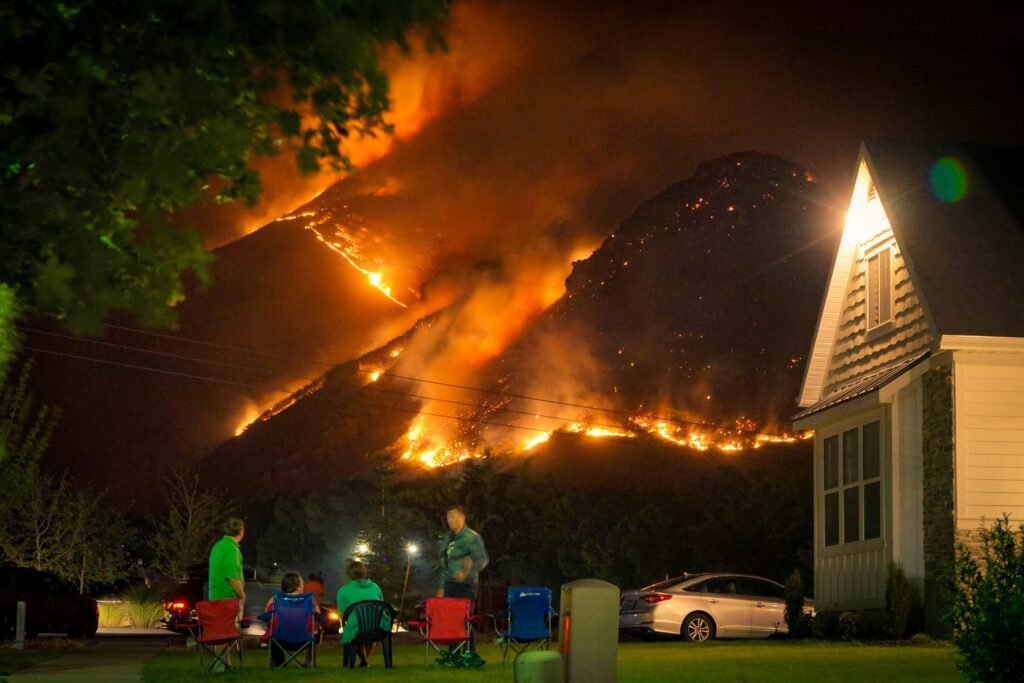
Wildfire smoke can affect Reno even when the fire itself is many miles away. Wind direction, fire activity and the shape of the surrounding landscape can cause air quality to deteriorate quickly. A clear morning does not guarantee clean air for the rest of the day.
Preparing your home before Reno wildfire smoke arrives is considerably easier than searching for filters, sealing gaps and rearranging rooms after the air has already become unhealthy. The goal is not to make a house completely airtight. It is to reduce the amount of smoke entering the home while maintaining a safe indoor temperature and adequate ventilation.
Why Reno Homes Need a Smoke Plan
Residents often associate wildfire preparation with evacuation routes and defensible space. Those measures are important, but smoke may affect Reno without creating an immediate evacuation threat.
Fine particles in wildfire smoke can travel long distances and enter homes through:
- Open windows and exterior doors
- Bathroom and kitchen exhaust systems
- Gaps around windows and door frames
- Heating and cooling equipment
- Evaporative coolers
- Repeated trips in and out of the house
Smoke conditions may also change throughout the day. Air quality can improve temporarily and then worsen when the wind shifts. That makes real-time monitoring more useful than relying only on whether the mountains are visible or whether the air smells smoky.
Monitor Air Quality Before You See Smoke
The Air Quality Index, or AQI, translates pollution measurements into categories ranging from Good to Hazardous. The categories also provide guidance about who should reduce outdoor activity.
Residents can check the AirNow Fire and Smoke Map for current conditions, nearby fires and smoke movement. Local information may also be available through Northern Nevada Public Health’s Air Quality Management Division.
Do not rely entirely on the smell of smoke. Fine-particle pollution may be present before the odor becomes strong, and people can become less aware of an odor after being exposed to it for several hours.
Check conditions at different times instead of treating a morning reading as an all-day forecast. This is especially important before exercising, opening windows, sending children outside or allowing pets to remain outdoors.
Reno Wildfire Smoke: Create a Cleaner-Air Room
Choose one room that can become the household’s cleaner-air space when outdoor conditions deteriorate. A bedroom or living room with few exterior doors and windows may work well.
The room should be large enough for the people and pets who may need to use it. It should also be somewhere the household can remain comfortably for several hours.
Before smoke season:
- Inspect the windows for visible gaps or damaged weatherstripping.
- Make sure the door closes properly.
- Remove or reduce indoor pollution sources.
- Determine how the room will remain cool with the windows closed.
- Place any portable air-cleaning equipment where its airflow will not be obstructed.
- Keep water, medications, pet supplies and phone chargers nearby.
A portable air cleaner should be appropriately sized for the room. Avoid devices intentionally producing ozone, since ozone is a lung irritant. The Environmental Protection Agency provides additional guidance on wildfires and indoor air quality.
A cleaner-air room is not necessarily smoke-free. It is a practical way to concentrate filtration and reduce exposure within one manageable part of the home.
Check the HVAC System Before Smoke Season
A central heating and cooling system may help filter indoor air, but its effectiveness depends on its design, filter and operating settings.
Before buying a higher-efficiency filter, check the system manual or ask a qualified HVAC professional what the equipment can safely handle. A filter that creates too much resistance may reduce airflow and place additional strain on the system.
If compatible with the equipment, the EPA advises using a high-efficiency filter—commonly MERV 13 or the highest rating the system can accommodate. Install it in the correct direction and make sure it fits without large gaps around the edges.
During a smoke event, residents may be able to run the system’s fan more frequently to move indoor air through the filter. However, settings differ among systems. Confirm whether the equipment introduces outdoor air and whether it can be placed in a recirculation mode.
Purchase replacement filters before regional smoke becomes severe. Stores may experience increased demand after residents see smoke in the valley.
Understand the Problem With Evaporative Coolers
Evaporative coolers, sometimes called swamp coolers, work by pulling outdoor air into the building. That can become a significant problem during a smoke event because the system may continuously introduce polluted outdoor air.
Households relying on an evaporative cooler should develop an alternative plan before closing it down. Simply turning it off and shutting the windows may cause indoor temperatures to become dangerous during hot weather.
Possible preparations include identifying a cooler room in the home, using an appropriate recirculating cooling option or arranging to spend time in a public cleaner-air location when one is available. Residents with medical conditions, older adults, young children and anyone sensitive to heat should plan especially carefully.
Smoke protection should never create a heat emergency.
Reduce Smoke Entry Without Creating New Hazards
When outdoor air becomes unhealthy, close windows and exterior doors. Limit unnecessary trips outside and avoid leaving doors open while unloading groceries or bringing pets inside.
Temporary weatherstripping or removable sealing materials may help with obvious gaps. However, do not block required ventilation, combustion-air openings or safety equipment.
Homes containing gas appliances, fireplaces or attached garages need functioning carbon-monoxide alarms. Never operate a generator, grill, camping stove or fuel-burning device inside a home, garage or enclosed porch.
Renters should ask the property manager:
- Who is responsible for replacing the HVAC filter?
- What filter specifications does the system accept?
- Does the system draw in outdoor air?
- Can management inspect gaps around windows or exterior doors?
- Are portable air cleaners permitted?
- Is there a smoke-response plan for common areas?
Make requests in writing when a maintenance issue affects smoke entry. Photos of damaged seals, loose frames or visible gaps can make the problem easier to document.
Avoid Creating Additional Indoor Particle Pollution
When the home is closed, particles generated indoors can accumulate more easily. During a heavy smoke period, avoid activities that unnecessarily reduce indoor air quality.
These may include:
- Burning candles or incense
- Smoking or vaping indoors
- Frying or broiling food
- Using a wood-burning fireplace
- Spraying strong aerosols
- Dry sweeping
- Vacuuming without suitable filtration
Prepare meals that require less frying or high-temperature cooking. If an exhaust fan sends indoor air outside, understand that running it may cause replacement air to enter through other gaps. Whether the fan helps will depend on the home and the severity of indoor cooking pollution.
Prepare for Power Interruptions
Wildfire conditions, high winds and extreme heat can place pressure on electrical systems. A home smoke plan should still work if the power fails.
Charge phones and portable battery packs when smoke or fire conditions are developing. Keep flashlights accessible and know how to receive emergency information without relying on home internet service.
If household members depend on electrically powered medical equipment, contact the equipment provider and utility company before wildfire season to discuss backup arrangements. Do not wait for an outage to determine how long a battery will operate.
A portable air cleaner and central HVAC system will not function during an outage unless they have a safe, approved backup power source. Never bring a generator indoors to keep filtration equipment running.
Include Pets in the Plan
Pets can also be affected by wildfire smoke. Keep outdoor trips short when air quality is poor and avoid strenuous exercise.
Prepare enough space in the cleaner-air room for pet beds, carriers, water and necessary medications. If a pet normally spends most of its time outside, decide in advance how it will be safely accommodated indoors.
Birds may be particularly sensitive to airborne contaminants. Owners of birds or pets with respiratory or heart conditions should ask a veterinarian for individualized guidance before smoke season.
Plan for Work, School and Transportation
Indoor preparation does not end at the front door. Household members may spend much of the day commuting, working or attending school.
When driving through smoke, keep the windows closed and use the vehicle’s recirculation setting when appropriate. Replace the cabin air filter according to the vehicle manufacturer’s instructions. Recirculation should not be treated as a permanent setting in every condition, so consult the owner’s manual.
Outdoor workers should understand their employer’s smoke procedures before the AQI rises. Parents may also want to learn how a child’s school handles outdoor recess, athletics and indoor filtration during smoke events.
Anyone with asthma, cardiovascular disease or another condition that may be aggravated by smoke should discuss an action plan with a medical professional. Keep prescribed medications available and know which symptoms require medical attention.
Respirator Limitations
A properly fitted N95 respirator can reduce exposure to fine particles when a person must be outdoors. It does not remove gases from smoke, and a loose-fitting mask will not provide the same protection.
Facial hair can interfere with the seal. People with certain respiratory or cardiovascular conditions should seek medical advice before using a respirator because breathing through one may require additional effort.
Respirators designed for adults may not fit children properly. Do not assume that a smaller-looking adult respirator will provide a child with an effective seal.
Know When Staying Home Is No Longer the Best Option
A closed home can still become smoky, excessively hot or uncomfortable. If indoor air cannot be kept reasonably clean, consider relocating temporarily to a building with better filtration.
Possible options may include a public library, community facility, shopping center or designated cleaner-air shelter. Availability and operating hours can change, so verify the location before traveling.
If authorities issue an evacuation order, follow the order. A cleaner-air room is intended for smoke exposure, not protection from an approaching wildfire.
What to Do When Outdoor Air Improves
Do not automatically open every window because the smoke appears lighter. Check current air-quality readings first.
When outdoor air becomes better than indoor air, opening windows and doors temporarily may help clear accumulated particles and odors. Continue monitoring conditions because another wind shift can return smoke to the area.
Replace dirty filters as needed, following the equipment manufacturer’s instructions. Clean indoor surfaces with damp methods instead of dry sweeping particles back into the air.
If ash has accumulated outdoors, avoid using a leaf blower. Prevent ash from contacting skin and eyes, and follow local public-health guidance for safe cleanup.
A Practical Pre-Smoke Checklist
Before wildfire smoke reaches Reno:
- Select a cleaner-air room.
- Inspect windows and exterior doors.
- Learn how the HVAC system handles outdoor air.
- Purchase compatible replacement filters.
- Test portable air-cleaning equipment.
- Make a safe cooling plan for closed-window conditions.
- Prepare medications, pet supplies and backup power.
- Save reliable air-quality and emergency-information sources.
- Identify somewhere else to go if the home becomes smoky or dangerously hot.
The best time to complete these steps is while the air remains clear. A prepared household can respond to changing conditions without making rushed decisions during the first unhealthy day.
Note: This article provides general preparedness information and is not a substitute for medical advice, equipment instructions or emergency orders. Follow current guidance from local authorities and consult a qualified professional about individual health or HVAC concerns.