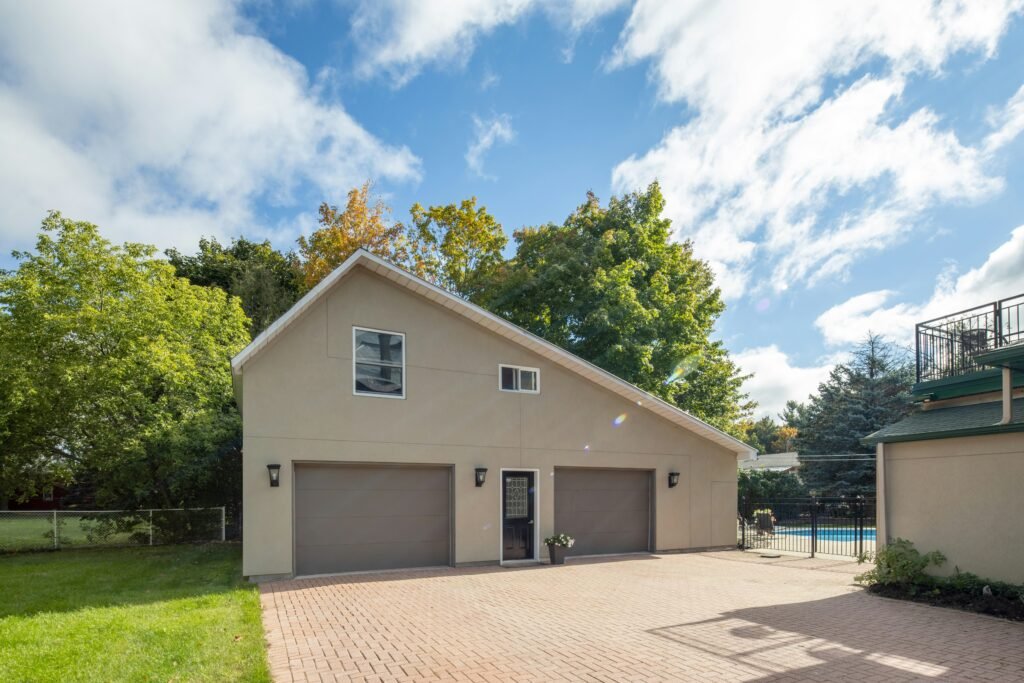
A Nevada casita can offer more privacy than an apartment while costing less than a full-size house. However, that arrangement becomes complicated when the casita and main residence share one electric, gas or water meter.
Without a separate meter, the utility company cannot determine how much energy or water each household used. The property owner must either include utilities in the rent or establish another method for dividing the bill. Understanding Nevada casita utilities is important when determining how these shared costs will be handled.
Before renting a Nevada casita with shared utilities, tenants should understand exactly how charges will be calculated, what evidence they will receive and whether activities at the main house can increase their expenses.
Nevada Casita Utilities: What Counts as a Casita?
The word “casita” is used broadly in Nevada rental listings. It may describe:
- A detached accessory dwelling unit
- A converted garage
- A guesthouse
- An attached suite with a private entrance
- A bedroom and bathroom without a full kitchen
- A section of the main house separated for rental use
These arrangements do not all have the same utilities or legal status. Some have separate electric and water service, while others remain entirely connected to the primary home.
A private entrance does not mean that the unit has independent utility meters. Tenants should physically identify the meters and ask which buildings or rooms each one serves.
Why Shared Meters Create Confusion
A shared meter records the combined consumption of both residences. It cannot show how much was used exclusively by the tenant.
If the owner receives a $300 electric bill, there is no utility-company reading proving that the casita caused $90, $150 or any other particular portion. The amount depends on the formula established between the parties.
Disputes commonly arise when:
- The main house has more occupants than expected
- Someone begins working from home
- The owner heats a pool or spa
- Guests stay for an extended period
- Electric vehicles are charged at the property
- Irrigation use increases
- One household keeps the thermostat much lower
- An appliance or plumbing fixture develops a fault
- The division method changes after move-in
The tenant’s small living space does not guarantee a small utility bill if charges are divided without accounting for how the property is actually used.
Identify Every Shared Service
Do not ask only whether “utilities” are shared. Request a separate explanation for each service.
The arrangement may differ for:
- Electricity
- Natural gas
- Water
- Sewer
- Trash collection
- Internet
- Propane
- Solar-system charges
- Pool or landscape utilities
Electricity may be divided by percentage while water is included in the rent. Internet may be shared without an additional charge, and trash service may appear as a fixed monthly amount.
A written breakdown prevents both sides from using the same word to describe different arrangements.
Put the Calculation Method in the Lease
Nevada residential rental agreements should address the respective responsibilities of the landlord and tenant for utility charges. Tenants can review these and other lease requirements in Nevada Revised Statutes Chapter 118A.
A shared-utility provision should explain more than “tenant pays utilities.” It should identify:
- Which services are shared
- Which party holds each utility account
- The percentage or formula assigned to the tenant
- Whether the calculation changes with occupancy
- When the tenant will receive the bill
- When payment becomes due
- Whether account statements will be provided
- How credits, late fees and adjustments are handled
- Whether any administrative fee is added
- What happens when the casita is vacant for part of a billing cycle
If the landlord says that the tenant will pay “a fair share,” ask for the exact meaning before signing. A phrase that sounds flexible can become difficult to enforce consistently.
Common Ways to Divide the Bill
There is no single formula that accurately represents every property. Each approach has limitations.
Fixed Monthly Utility Amount
The tenant pays the same amount every month regardless of the actual bill.
This provides predictable costs, but the lease should explain whether the amount can increase. It should also state what happens if utility rates or household occupancy change substantially.
Percentage of the Actual Bill
The tenant pays an agreed percentage of the utility provider’s monthly charge.
This method follows seasonal changes, but the percentage may not reflect actual consumption. A tenant in a small casita could subsidize a larger household, pool or electric-vehicle charger.
Division by Number of Occupants
The total bill is divided according to how many people live in each unit.
This can be easy to understand, but it assumes that every person consumes the same amount. It also requires clarity about children, guests and changes in occupancy.
Division by Square Footage
The tenant pays a proportion based on the casita’s share of the property’s occupied floor area.
This may be useful for heating or cooling estimates, but it does not account for personal habits, appliance efficiency or exterior water use.
Utility Cost Included in Rent
The landlord charges one rent amount that includes specified utilities.
This is simple for the tenant, but the agreement should state whether usage limits or additional charges apply. A vague “utilities included” advertisement may not match the final lease.
The most important point is consistency. The method should be established before the tenancy begins and applied the same way each billing period.
Ask to See the Original Utility Bill
When charges depend on actual utility costs, tenants should ask whether they will receive a copy of the provider’s bill.
The document should show:
- The service address
- Billing dates
- Metered consumption
- Utility rates
- Taxes and service fees
- Past-due balances
- Credits or adjustments
- The total current charge
A tenant should not automatically be charged for the landlord’s old balance, reconnection fee or late-payment penalty. The lease should explain which portions of the statement are included in the shared calculation.
Keep copies of the original bill, the landlord’s calculation and proof of payment. A text message containing only an amount due is much harder to verify later.
Watch for Seasonal Electric Costs
Cooling can make summer electric bills substantially different from winter bills in southern Nevada. The financial effect depends on how the casita is cooled.
A casita may have:
- Its own air-conditioning unit
- A mini-split system connected to the shared meter
- A window or portable unit
- Ductwork connected to the main house
- An evaporative cooler
- No independent thermostat
If the casita shares the main home’s HVAC system, determine who controls the thermostat. A tenant may be responsible for part of the electric bill without having meaningful control over temperature or operating hours.
Ask whether the owner can identify the casita’s cooling equipment on the electrical panel. Even without a utility-grade submeter, understanding which equipment serves the unit helps explain likely consumption.
Water Charges Can Include More Than the Casita
A shared water meter may cover indoor use in both residences as well as:
- Landscape irrigation
- A swimming pool
- A spa
- Outdoor hose connections
- Evaporative cooling
- Water features
- Leaks anywhere after the meter
A tenant who occupies a small casita could be asked to share the cost of maintaining a large yard or pool. The lease should state whether exterior water use is excluded from the tenant’s portion.
Ask who monitors irrigation leaks and how an unusually high bill will be handled. If the property develops a broken irrigation line, the tenant should not have to negotiate the calculation only after the expensive bill arrives.
Consider Solar Billing Separately
Solar panels can make an electricity arrangement look simpler than it is. The property may still receive a utility bill containing service charges, imported electricity, credits or other adjustments.
The owner may also have a separate solar loan or lease payment. That private financing obligation is not the same as the electric utility’s charge.
Before agreeing to pay a portion of “solar,” ask:
- Is the charge based on the utility bill or a solar contract?
- How are exported-energy credits allocated?
- Does the casita benefit from the system?
- Is a battery installed?
- Are financing payments included?
- Can the calculation be independently reviewed?
The lease should clearly identify any solar-related amount instead of grouping it vaguely with electricity.
Inspect the Electrical Setup
Shared utilities can raise practical safety and access concerns in addition to billing questions.
Determine whether the casita has its own electrical subpanel and whether the tenant can safely access its breakers. If the panel is inside the main house, ask how power will be restored when a breaker trips and the owner is unavailable.
Do not accept exposed wiring, overloaded extension cords or informal electrical connections as a normal consequence of renting a small unit. A converted structure should have safe, functional electrical service appropriate for its use.
A tenant should not remove panel covers or attempt to trace wiring. Concerns about the installation should be evaluated by the appropriate local building authority or a qualified electrician.
Confirm That the Casita Is an Approved Dwelling
A finished room is not necessarily approved for use as an independent rental unit. Local requirements may address permits, emergency exits, sanitation, heating, electrical work, ceiling height and cooking facilities.
Rules vary across Las Vegas, Henderson, North Las Vegas, Reno, unincorporated counties and smaller Nevada communities. A mailing address alone may not identify the governing jurisdiction.
Before signing, ask whether the unit:
- Has an approved address or unit designation
- Was permitted for its present use
- Has working smoke and carbon-monoxide alarms
- Provides safe heating and cooling
- Has an appropriate emergency exit
- Includes legal electrical and plumbing work
- Can receive mail and emergency services reliably
Separate utility meters do not prove that a unit is legally approved. Conversely, an approved accessory dwelling may be permitted to share certain utilities with the primary residence. Confirm the property’s actual status with the local jurisdiction when necessary.
Internet Access Can Create Privacy Problems
If internet is included, the casita may share the main household’s router. This can create weak coverage, network congestion and privacy concerns.
Ask whether the tenant can use an independent internet service, whether the unit has a wired connection and what happens if the owner changes the password or service plan.
A shared Wi-Fi network should not be treated as equivalent to a private utility account. Tenants working remotely may need a more reliable and independently controlled connection.
The lease should also clarify whether loss of shared internet reduces the rent or whether it is provided only as a convenience.
What Happens When the Main House Is Vacant?
A shared-meter arrangement can change when one side of the property is temporarily empty.
If the main house becomes vacant, the tenant should not automatically become responsible for the entire account unless that possibility is stated clearly in the lease. The property may still consume electricity and water through HVAC equipment, irrigation, appliances or maintenance work.
The same issue arises when the casita is vacant for part of a billing period. The agreement should explain whether charges are prorated and which fixed utility fees remain payable.
Keep a Monthly Utility Record
Tenants can reduce disputes by maintaining a simple record containing:
- Copies of provider statements
- The agreed calculation
- Payment dates and amounts
- Occupancy changes
- Reported leaks or equipment problems
- Unusual activity at the property
- Photographs of meter readings when access is permitted
Do not enter locked areas or handle utility equipment without authorization. If meters are accessible, record readings at consistent times and avoid interfering with seals or utility-company devices.
The record may not prove exactly how much the casita consumed, but it can reveal unexplained changes and calculation errors.
Questions to Resolve Before Paying a Deposit
Before committing to the rental, ask the landlord:
- Which utilities are separately metered?
- What exactly does each shared meter serve?
- How is each bill divided?
- Will I receive the original provider statement?
- Are pool and irrigation costs included?
- Can the formula change during the lease?
- Who pays for leaks and equipment failures?
- Who controls the thermostat?
- Can I access the circuit breaker for my unit?
- What were the highest and lowest utility charges during the previous year?
Request the answers in the rental agreement or a signed addendum. Verbal explanations can be forgotten or disputed after an expensive billing month.
When a Utility Dispute Develops
Begin by comparing the charge with the lease and original utility statement. Ask the landlord for a written explanation of the calculation and identify the specific amount being questioned.
Continue documenting payments and communications. Do not withhold rent or utility payments without understanding the lease and the legal procedures that may apply.
A tenant may need advice from a Nevada housing organization or qualified attorney if the landlord refuses to provide supporting information, changes the formula without agreement, threatens to interrupt an essential service or attempts to collect charges not authorized by the lease.
A shared utility meter does not automatically make a Nevada casita unsuitable. It does require greater transparency because neither household’s exact consumption is shown on the provider’s bill.
The safest arrangement is one in which every utility, calculation method and billing procedure is written down before move-in. If the owner cannot explain how the tenant’s share will be calculated, the tenant cannot realistically estimate the total cost of living in the unit.
Note: This article provides general rental information and is not legal, electrical or utility-regulatory advice. Shared-meter rules and housing requirements may vary by utility and jurisdiction. Review the lease and seek qualified guidance about a specific rental.