Drivers who are new to Las Vegas may notice that some local motorists do not immediately accelerate when a traffic signal turns green. Instead, they pause briefly and scan the intersection before moving. This practice can support Las Vegas intersection safety by giving drivers a moment to check for potential hazards.
This defensive habit is sometimes informally called the “Vegas Wait.” It developed from concerns about vehicles entering intersections after their signals have already turned red.
The Vegas Wait is not an official traffic rule, and it does not mean sitting through part of a green light or creating an unnecessary delay. It means confirming that the intersection is clear before proceeding, particularly when your vehicle is first in line.
Understanding this habit can help newcomers adjust to Las Vegas roads without adopting unsafe, aggressive or unlawful driving practices.
What Is the “Vegas Wait”?
The Vegas Wait describes a brief safety check after a traffic light turns green. The driver looks across the intersection for vehicles, pedestrians or other hazards before accelerating.
It is not a fixed waiting period. A driver does not automatically need to count several seconds at every green light. The appropriate response depends on what is happening in and around the intersection.
If traffic has already stopped in every conflicting direction and the intersection is clear, an extended delay is unnecessary. If a vehicle appears to be approaching too quickly to stop, entering immediately could be dangerous even though the signal is green.
The objective is to observe before proceeding, not to replace traffic laws with an unofficial local custom.
Why Las Vegas Intersections Can Surprise Newcomers
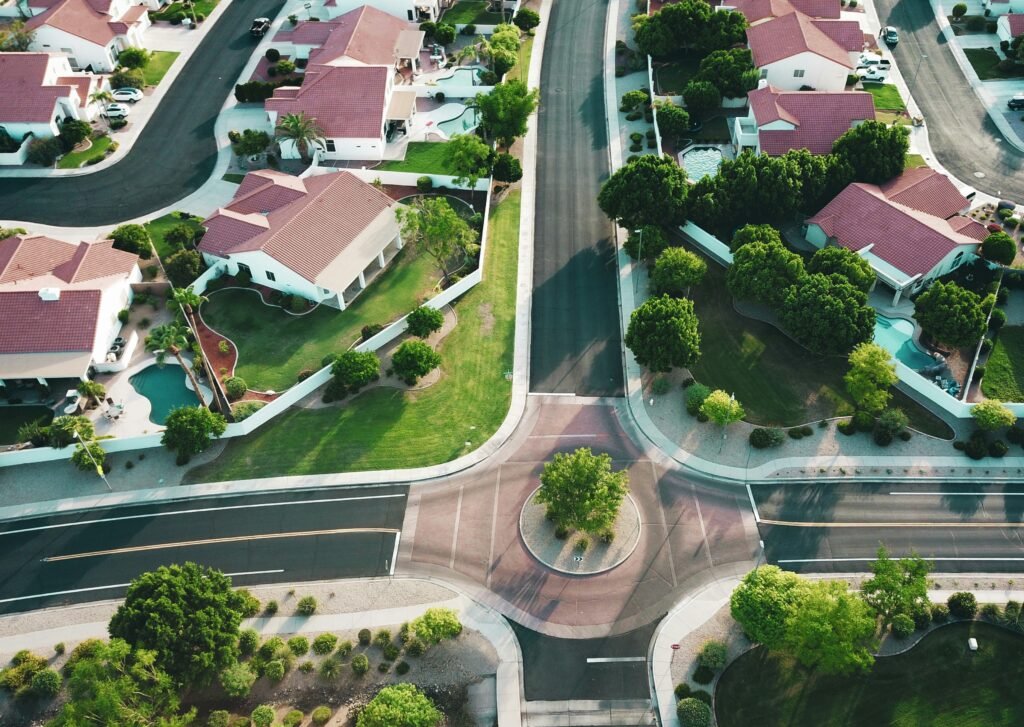
Many major roads in the Las Vegas Valley are wide, with multiple travel lanes, turning lanes and relatively high traffic speeds. Crossing an intersection can therefore take longer than it would on a narrower urban street.
A driver approaching the end of a yellow light may misjudge the remaining distance or choose not to stop. That vehicle could still be entering or crossing the intersection when another direction receives a green signal.
Local residents frequently discuss red-light running and warn newcomers not to assume that every approaching vehicle will stop. These discussions do not prove that every Las Vegas intersection is unusually dangerous. They do, however, demonstrate why intersection behavior is an important concern among people who drive in the valley regularly.
Construction, unfamiliar rental-car drivers, visitors searching for destinations and residents commuting at unusual hours can add to the complexity.
A Green Light Does Not Remove the Need to Observe
A green signal gives a driver permission to proceed when the movement is otherwise lawful and safe. It does not guarantee that the intersection is empty.
Under Nevada’s traffic-signal law, drivers facing a green signal may proceed but must yield to pedestrians and other traffic lawfully using the intersection. Drivers must therefore remain aware of people who entered before the signal changed.
Before moving from the front of a queue, look for:
- Vehicles approaching from the left or right
- Cars completing turns
- Pedestrians still within a crosswalk
- Cyclists crossing or preparing to cross
- Emergency vehicles
- Disabled vehicles or collision debris
- Traffic blocking the far side of the intersection
The check should be deliberate but brief. Looking only at the traffic light can cause a driver to miss hazards developing elsewhere.
Avoid Turning the Vegas Wait Into a Long Delay
Defensive driving does not require remaining stationary after it is clearly safe to move. An unnecessary delay can confuse other motorists and reduce the number of vehicles able to pass through the signal.
A driver should remain attentive while waiting at the red light. Watch the conflicting traffic as its signal changes, notice whether vehicles are slowing and be prepared to proceed when the intersection becomes safe.
Drivers who look down at a phone while stopped may not notice the green signal or current traffic conditions. The resulting delay is distraction, not the Vegas Wait.
When the light changes, the safest sequence is generally to observe the intersection, confirm that conflicting traffic is stopping and proceed smoothly when clear.
Do Not Enter a Blocked Intersection
A green light does not mean a driver should enter when traffic is backed up on the other side. If there is insufficient room to clear the intersection, moving forward may leave the vehicle blocking cross traffic after the signal changes.
This can create gridlock and place pedestrians in a difficult position. It may also prevent emergency vehicles from passing through.
Before entering, confirm that there is enough space beyond the intersection for the entire vehicle. This is particularly important around busy commercial areas, freeway access points, construction zones and the resort corridor.
A driver focused only on the green signal may overlook congestion immediately ahead.
Watch for Vehicles Clearing Left Turns
Vehicles waiting to turn left may still be inside an intersection when the traffic signal changes. A driver receiving a green light should allow lawful traffic already within the intersection to finish clearing it.
Do not accelerate toward a turning vehicle merely because your signal has changed. Wait until its path is clear.
Drivers making left turns must also avoid assuming that approaching vehicles will stop when the signal changes. If the turn cannot be completed safely, forcing the movement can expose the vehicle to a serious side-impact collision.
Protected green arrows reduce some conflicts, but drivers must continue watching for pedestrians and unexpected vehicle movements.
Late-Night Driving Requires Additional Attention
Las Vegas operates on schedules that differ from many other cities. Casino, hospitality, medical, transportation and entertainment employees may travel at all hours. Visitors may also drive late at night after long trips or unfamiliar experiences.
Roads that appear empty can encourage excessive speed. A vehicle may approach an intersection much faster than expected, making its stopping intentions difficult to judge.
At night, drivers should be alert for:
- Vehicles without properly operating lights
- Reduced visibility at wide intersections
- Pedestrians wearing dark clothing
- Impaired, fatigued or distracted drivers
- Sudden lane changes near casinos and hotels
- Vehicles slowing unexpectedly to find an entrance
An empty-looking road should not be treated as permission to disregard a signal or proceed without checking.
Rain Can Make Las Vegas Intersections More Difficult
Rain is less frequent in Las Vegas than in many other major cities, but it can create sudden problems when it arrives. Water, oil and debris on the road may reduce traction, particularly near the beginning of a storm.
Some drivers may brake too late, while others may become unusually hesitant. Visibility can also fall quickly during heavy rain, blowing dust or a thunderstorm.
Allow additional following distance and avoid accelerating aggressively when a signal changes. A vehicle approaching from another direction may require more distance to stop on a wet surface.
Drivers should never enter a flooded intersection when the depth or condition of the roadway is uncertain. Flowing water can conceal damage and move a vehicle from the travel lane.
Pedestrians Need More Than a Quick Glance
Las Vegas intersections can require pedestrians to cross numerous lanes. Someone who entered legally may still be completing the crossing when the traffic signal changes.
Before turning right or left, look through the entire crosswalk rather than checking only the nearest corner. Pedestrians may be hidden by larger vehicles, roadway signs or other people waiting near the curb.
Drivers should pay particular attention near:
- Schools
- Bus stops
- Senior communities
- Hospitals and medical offices
- Shopping centers
- Entertainment districts
- Parks and recreation facilities
A pedestrian may also move more slowly because of age, disability, injury, luggage or a mobility device. The driver must allow the person to finish crossing safely.
Do Not Copy Aggressive Local Driving Habits
New residents sometimes assume they must become more aggressive to drive successfully in Las Vegas. That can lead to speeding, following too closely, competing for lane position or entering an intersection after the light changes.
Familiarity with local roads should improve planning rather than encourage risk-taking. Drivers can reduce pressure by choosing the correct lane early, allowing additional travel time and expecting delays near construction or major events.
If another driver honks while you are checking an intersection, do not allow the pressure to force you into an unsafe movement. At the same time, complete the check efficiently and proceed when conditions allow.
Defensive driving means responding to actual hazards without creating new ones.
Reporting Signal and Street Problems
Some intersection risks involve infrastructure rather than driver behavior. A signal may be damaged, a streetlight may be out or vegetation may obstruct the view of a sign.
Clark County allows residents to report certain public-works concerns through its online issue-reporting system. Roads within the incorporated cities of Las Vegas, Henderson or North Las Vegas may be handled by the applicable city instead.
For an immediate roadway emergency or dangerous situation, drivers should use the appropriate emergency reporting method rather than submitting a routine maintenance request.
When reporting a non-emergency issue, provide the intersection, direction of travel and a clear description of the problem. Avoid taking photographs while operating a vehicle.
Practical Intersection Habits for New Las Vegas Drivers
Newcomers do not need to fear every Las Vegas intersection. They should develop a consistent observation routine and avoid assuming that a green light guarantees an unobstructed path.
Useful habits include:
- Remaining attentive while stopped
- Watching whether conflicting traffic is slowing
- Scanning both directions before proceeding
- Allowing vehicles already in the intersection to clear
- Checking crosswalks before turning
- Leaving space when traffic is backed up
- Avoiding phones and other distractions
- Increasing following distance during rain or dust
- Planning lanes and turns before reaching the intersection
- Allowing extra travel time instead of driving aggressively
The Vegas Wait is best understood as a reminder to look before moving. It is not permission to ignore a green light, obstruct traffic or create a personal traffic rule.
Las Vegas intersection safety depends on drivers combining lawful behavior with active observation. A brief, attentive scan can help identify a red-light runner, pedestrian or vehicle that has not finished clearing the intersection. Once the path is safe, the driver should proceed predictably and without unnecessary delay.
Note: This article provides general driving-safety information and does not replace Nevada traffic laws, official instructions, driver education or legal advice. Traffic conditions and regulations can change. Drivers should follow current signals, signs and directions from law-enforcement or traffic-control personnel.