A garage can be an appealing feature when renting an apartment in Reno. It may protect a vehicle from snow, ice, summer heat and wildfire debris while providing additional storage in a market where many apartments have limited closet space.
However, Reno apartment garages is not automatically secure, spacious or included in the advertised rent. Some garages are detached from the apartment, shared with other residents or located behind gates that remain open for long periods. Others are too narrow for larger vehicles once belongings are stored inside.
Before paying an additional monthly fee, renters should inspect the garage carefully, understand the lease restrictions and decide whether its practical value justifies the expense.
Why Garages Matter to Reno Renters
Reno experiences a combination of winter weather, strong wind, dry summer heat and occasional wildfire smoke. A garage can reduce a vehicle’s direct exposure to these conditions.
During winter, covered parking may save time otherwise spent removing snow or ice before work. It can also reduce the possibility of frozen doors, obscured windows and accumulated moisture inside the vehicle.
During summer, a garage can keep a vehicle cooler than an uncovered parking space. It may also provide some protection from blowing dust, ash and debris during periods of poor air quality or strong wind.
These benefits depend on the garage’s construction, location and condition. A poorly ventilated or west-facing garage can still become extremely hot, while a detached garage may be inconvenient during snow or rain.
Not All Apartment Reno Apartment Garages Are the Same
The word “garage” can describe several different arrangements in Reno apartment communities.
A private attached garage usually connects directly to the apartment. This can provide convenient access and may offer better control over who enters the space.
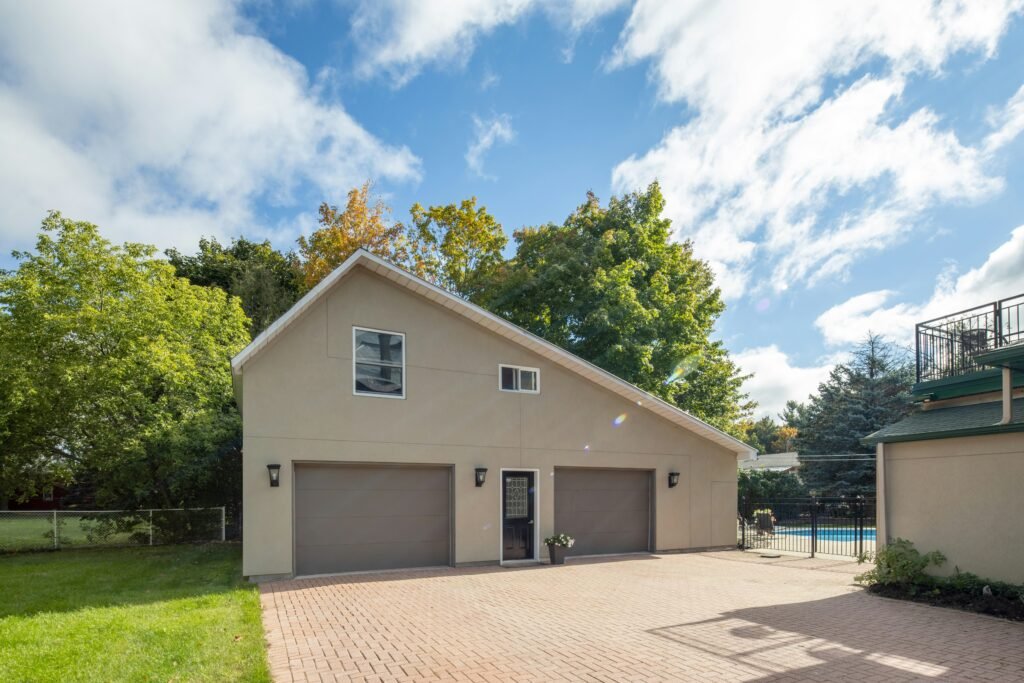
A private detached garage is assigned to one household but located elsewhere within the complex. It may offer useful vehicle protection and storage, although the renter must walk outside to reach it.
Some communities provide shared garages with individually assigned parking spaces. These may resemble covered parking structures rather than private rooms. Access can be controlled by a gate, key card or remote, but other residents and their visitors may still enter the larger area.
Before signing a lease, confirm exactly what is being offered. Marketing photographs may show a garage without explaining whether it is attached, detached, private or shared.
A Garage Does Not Guarantee Security
Renters sometimes assume that a garage eliminates the risk of vehicle theft, burglary or property damage. In reality, security depends on the quality of the door, locks, access controls and resident practices.
A gated apartment community can still experience unauthorized entry. Gates may remain open while vehicles pass, malfunction for extended periods or be accessed using lost and shared entry devices.
Private garages can also have weaknesses. A damaged door, poor-quality side entrance or shared attic space may create an access point that is not immediately obvious during a tour.
The Reno Police Department’s crime-prevention guidance recommends using suitable locks and securing garage service doors. Renters may have limited authority to modify a garage, but they can still inspect its existing security and report defects to management.
Security Details to Inspect
Ask to see the exact garage assigned to the apartment rather than a model or vacant example elsewhere in the community.
Check whether the main door closes completely and sits evenly against the ground. Large gaps may allow dust, water, pests or tools to enter. Listen for unusual movement when the door opens and closes.
Inspect any side or interior door for a functioning lock. Look at the frame, hinges and strike plate for damage. If the garage is attached to the apartment, confirm that the connecting door locks from the residential side.
Other details to examine include:
- Lighting inside and outside the garage
- Cameras covering the garage area
- Visibility from nearby apartments
- The condition of perimeter gates
- How remotes, keys and access codes are managed
- Whether previous tenants’ access devices are deactivated
- Emergency access during a power failure
- Signs of forced entry or unrepaired damage
- Openings between neighboring garage spaces
Ask management how residents report a gate or garage door that stops working. A security feature provides limited value when repairs are repeatedly delayed.
Understand What Cameras Actually Cover
The presence of surveillance cameras should not be treated as proof that a particular garage is continuously monitored.
A camera may cover the vehicle entrance without showing individual garage doors. It may point toward a different section of the property or produce footage that is difficult to use at night.
Renters can ask whether cameras cover the assigned garage area, how long recordings are retained and who can access the footage. Management may not disclose every security detail, but its response can reveal whether the system is actively maintained.
Surveillance may help document an incident, but it cannot prevent every theft. Renters should continue locking vehicles, closing garage doors and removing visible valuables.
Winter Protection Can Be Valuable
A private garage may be most useful on mornings when snow or ice has accumulated overnight. Being able to leave without clearing a windshield can reduce preparation time and improve visibility at the beginning of a trip.
Garage parking does not eliminate winter driving risks. Snow and ice can remain on apartment access roads, side streets and shaded sections of pavement even after major roads improve.
Water and snow carried into the garage by a vehicle can also create slippery floors. Look at the garage slope and drainage to determine whether melted snow collects near the entrance or flows toward stored belongings.
A detached garage may protect the vehicle but still require the renter to walk across an icy parking area. Consider the entire route between the apartment and garage, especially if a household member has limited mobility.
Summer Heat Still Requires Consideration
Although a garage generally reduces direct sun exposure, it may still become extremely hot during summer.
A west-facing garage door can receive strong afternoon sunlight. Poor ventilation may allow heat to remain trapped after sunset. An attached garage can also transfer heat to rooms located beside or above it.
Renters should not assume the garage is a safe place for every household item. Heat can damage electronics, batteries, photographs, medications and other sensitive property.
Visit the garage during the afternoon if possible. The temperature and airflow may be significantly different from what you experience during a morning apartment tour.
Wildfire Smoke, Ash and Dust
Reno can experience smoke and ash from regional wildfires. Strong winds can also carry dust and debris across exposed parking areas.
A reasonably sealed garage may reduce the amount that settles directly on a vehicle. However, garage doors are not normally airtight. Fine particles can still enter through gaps, vents and repeated opening.
Renters who want the garage primarily for smoke or dust protection should inspect the edges of the door and look for accumulated material inside. Heavy dust along the floor or walls may indicate that the space is not well sealed.
Avoid storing belongings directly on the garage floor. Shelving or sealed containers may provide better protection from dust and occasional moisture.
Measure Before Assuming Your Vehicle Will Fit
Apartment garages can be narrower or shorter than renters expect. A vehicle may technically fit while leaving insufficient room to open doors comfortably.
Measure the garage opening, interior width, depth and ceiling clearance. Account for mirrors, roof accessories, bicycle racks and the space needed to walk around the vehicle.
Test whether the garage door can close completely with the vehicle parked inside. If the household owns a truck, large SUV or long vehicle, visual estimates are not enough.
Storage can further reduce usable space. Shelving, bicycles, moving boxes and seasonal equipment may prevent a vehicle from fitting even when the garage initially appears adequate.
Decide Whether the Garage Is for Parking or Storage
A common mistake is expecting one small garage to function as both a full storage room and a comfortable vehicle space.
Before renting, decide which use is more important. If the garage is primarily intended for winter vehicle protection, storage should not block doors, walking paths or the garage mechanism.
If storage is the priority, determine whether the lease permits the space to be used without a vehicle. Some apartment communities restrict what can be stored or require garages to remain available for parking.
Create a realistic plan for large belongings instead of assuming everything will fit after move-in. Measure shelving, bicycles, tools and storage containers along with the vehicle.
Check the Lease Restrictions
The lease or garage addendum may contain rules that are not mentioned during the property tour.
Common restrictions can address:
- Vehicle repairs and maintenance
- Charging electric vehicles
- Flammable liquids and fuel
- Business inventory
- Furniture and household storage
- Appliances and freezers
- Overnight occupancy
- Subletting the space
- Installing shelves or security equipment
- Leaving the garage door open
- The types of vehicles permitted
Someone who wants to use the garage as a workshop may discover that repairs, power tools or extended projects are prohibited. A motorcyclist may not be allowed to store fuel containers or perform routine maintenance inside.
Read the complete garage agreement before paying a deposit or monthly charge.
Ask Whether Electricity Is Included
Some garages contain outlets, lighting or electric door openers. Renters should determine who pays for that electricity and what uses are permitted.
An outlet inside the garage does not necessarily mean electric-vehicle charging is allowed. The circuit may not be designed for the continuous electrical load, and the property may prohibit charging without written authorization.
The lease should explain whether the garage’s electricity is included in rent, connected to the apartment meter or separately controlled.
Renters should never modify electrical equipment or install charging hardware without the property owner’s approval and the required professional evaluation.
Review Renters Insurance and Vehicle Coverage
Property stored in a garage may not be covered in every situation. Coverage can depend on the policy, cause of loss, type of property and whether the garage is attached to the residence.
Renters should ask their insurer how the policy applies to belongings kept in an apartment garage. Valuable tools, bicycles, collectibles or business property may have separate limits or exclusions.
Vehicle damage and property stored inside a vehicle may be handled differently from household belongings stored in the garage.
Keep photographs, receipts and serial numbers for important possessions. An inventory can be useful if theft, fire or water damage occurs.
Compare the Total Cost
A garage advertised as an optional amenity may involve more than a monthly charge. The renter could also pay a remote deposit, additional security deposit, replacement fee or separate administrative charge.
Ask whether the garage price can increase during the tenancy and whether it is tied to the apartment lease. Find out whether the garage can be cancelled separately if it becomes unnecessary.
When comparing apartments, calculate the combined cost of rent, required parking, garage charges and other recurring fees. A lower advertised apartment rent may not remain less expensive after these amounts are included.
The value of a garage will depend on the renter’s vehicle, storage needs, schedule and tolerance for winter preparation. Someone who leaves early for work every morning may value covered parking more than a resident who works from home.
Questions to Ask Before Signing
Prospective renters should obtain clear answers to the following questions:
- Is the garage private, shared, attached or detached?
- Will I see the exact garage before signing?
- Is the garage guaranteed for the full lease term?
- What is the complete monthly cost?
- Are there deposits or access-device fees?
- Who handles garage-door repairs?
- How quickly are broken gates normally repaired?
- Does the garage have electricity?
- Is electric-vehicle charging permitted?
- What storage restrictions apply?
- Are vehicle repairs prohibited?
- Will my vehicle fit with its doors open?
- Are cameras directed toward the garage area?
- Can the garage agreement be cancelled separately?
- What happens if the remote or key is lost?
- Does renters insurance cover property stored there?
Important answers should appear in the written lease or garage addendum. Verbal promises may be difficult to rely on later.
A Reno apartment garage can offer meaningful winter convenience, additional storage and protection from direct sunlight, dust and wildfire debris. Its value depends on whether the space fits the renter’s vehicle, provides useful security and can legally be used as intended.
Inspecting the actual garage and reading its rules can prevent a renter from paying for an amenity that is too small, poorly secured or unsuitable for storage. The best choice is not always the apartment with a garage, but the property whose parking and storage arrangements match the household’s daily needs.
Note: This article provides general information about renting an apartment garage in Reno. Lease terms, insurance coverage, parking rules, security features and property conditions vary. Renters should inspect the assigned space, read the complete agreement and verify important information with the property manager and appropriate professionals.