
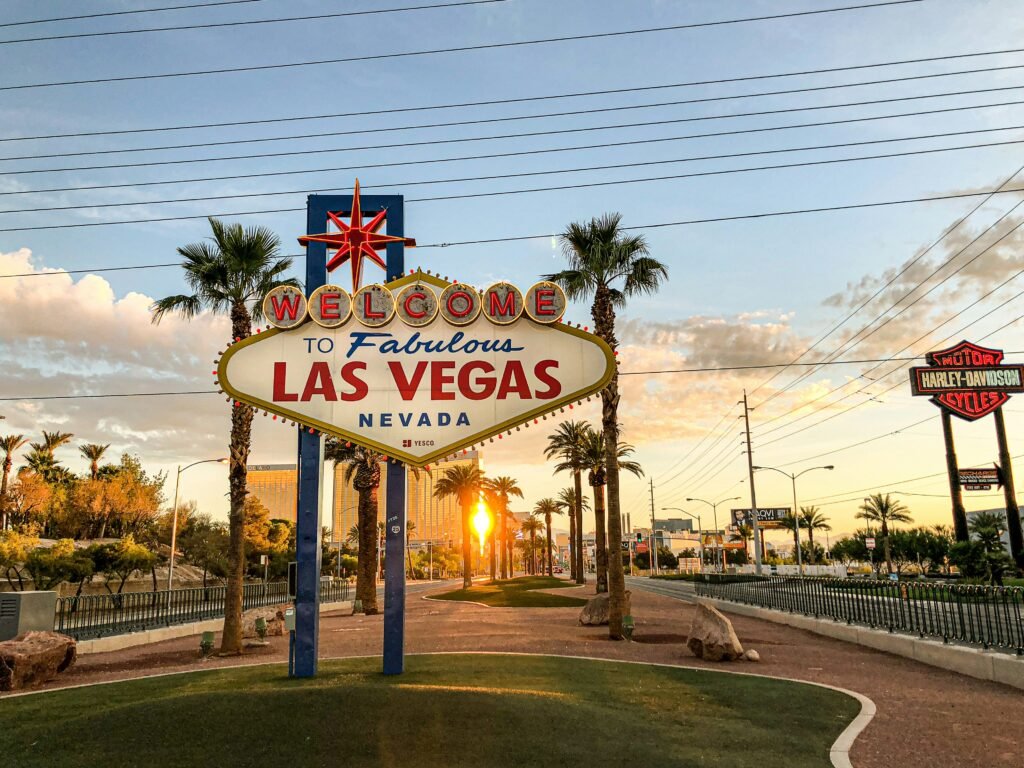
For many prospective homebuyers, spending a full summer in Las Vegas before purchasing a home can reveal details that are easy to miss during a short visit. The city’s extreme heat affects comfort, energy use, water consumption, transportation, outdoor spaces, neighborhood activity and the daily cost of living.
A home may feel attractive during a cooler season or a brief showing, but a full summer provides a more realistic view of how the property and surrounding neighborhood perform under the conditions residents experience every year.
Living through the season does not eliminate every risk, but it can help a buyer ask better questions, compare neighborhoods more accurately and decide whether a home fits the way they actually live.
Las Vegas Summer Heat Changes Daily Life
Las Vegas summers are not simply warmer versions of the rest of the year. Prolonged extreme heat can affect when residents exercise, walk their dogs, complete errands or allow children to play outside.
The National Weather Service describes June through August as extremely hot and dry in Las Vegas. Intense heat often continues into September, when the first meaningful relief from summer conditions usually begins.
Someone visiting for several days may spend most of that time moving between air-conditioned buildings and vehicles. Living through the entire summer provides a better understanding of how the heat affects normal routines over several months.
A prospective buyer may discover that walking to nearby businesses is less practical than expected, an uncovered backyard receives little use or a long cross-valley commute becomes more exhausting during the hottest part of the year.
Summer Electricity Costs Can Change the Housing Budget
The mortgage payment is only one part of the cost of owning a Las Vegas home. Air conditioning may operate for long periods during summer, making the condition and efficiency of the cooling system particularly important.
Renting a house similar in size to the property you hope to purchase can provide a useful estimate of seasonal electricity expenses. Utility costs from a small apartment may not accurately represent the cost of cooling a detached home with more exterior exposure.
When considering a property, ask whether previous electricity bills covering June through September are available. Another household’s usage will not predict your exact expenses, but the bills may show how the home performs during the hottest months.
Factors that can affect summer electricity use include:
- The size and number of floors in the home
- The age and condition of the air-conditioning system
- The number of cooling units
- Insulation and air-sealing quality
- Window condition and sun exposure
- Thermostat settings
- Ceiling height
- Pool equipment
- Whether solar panels are installed
Do not assume that a newer-looking air conditioner is automatically efficient or properly sized. The system should be evaluated as part of the professional home inspection.
Air-Conditioning Reliability Becomes Essential
In some climates, a failed air conditioner is primarily an inconvenience. During a Las Vegas summer, it can quickly make a home unsafe, particularly for infants, older adults, pets and people with certain health conditions.
Clark County advises residents to remain in cool areas, avoid demanding physical activity during the hottest part of the day and drink more water than usual during extreme heat. The county may also open public cooling stations when excessive heat warnings are issued.
Before buying a Las Vegas home, determine:
- The age of each air-conditioning unit
- Whether the equipment has received regular maintenance
- Which components have previously been replaced
- Whether every room cools evenly
- Whether the seller has maintenance records
- Whether the household could afford an unexpected replacement
Some larger Las Vegas homes have separate systems serving different floors or sections. If both units are approaching the end of their useful lives, the buyer could face two substantial expenses within a relatively short period.
A home inspection should also identify rooms that remain noticeably warmer than others. Uneven cooling could relate to insulation, ductwork, sun exposure, equipment performance or another condition requiring further investigation.
The Direction of the Home Matters
The direction a house faces can influence how much afternoon sunlight reaches its rooms, windows, garage and outdoor spaces.
A west-facing bedroom may receive intense afternoon heat. A west-facing garage can become extremely hot and may transfer additional heat into adjoining rooms. A patio without afternoon shade may be difficult to use for much of the summer.
Prospective buyers should visit a property during the late afternoon instead of relying exclusively on a morning showing. Look at which rooms receive direct sunlight and whether exterior shade, window coverings or mature landscaping help control the heat.
Rooms located above a garage also deserve attention. These spaces may be more difficult to cool if the garage ceiling and surrounding areas are not sufficiently insulated.
Experiencing a Las Vegas summer before buying helps buyers recognize whether home orientation is merely a preference or an important requirement for their household.
Outdoor Spaces May Be Less Usable Than Expected
A large backyard can look attractive when viewing a home during spring. Its summer usefulness will depend heavily on shade, surface materials and sun exposure.
Artificial turf, decorative rock, concrete and pavers can become extremely hot. An uncovered patio may provide little practical value during the afternoon. Walls and paved surfaces can also hold and reflect heat after the sun begins to set.
When evaluating an outdoor space, look for:
- Permanent covered areas
- Afternoon shade
- Tree placement and condition
- Heat reflected from walls and paving
- Safe surfaces for children and pets
- Outdoor water access
- Pool equipment condition
- Exposure to strong winds
A smaller backyard with effective shade may offer more practical summer value than a larger yard covered with heat-absorbing materials.
Swimming pools should also be evaluated realistically. Buyers need to consider maintenance, electricity, water use, safety and how frequently their household would actually use the pool.
Pet Routines Require Additional Planning
Pet owners should experience how a Las Vegas summer affects walking and outdoor exercise before choosing a home.
Pavement and artificial surfaces can become dangerously hot for paws. Walks may need to take place early in the morning or later at night. A property without a shaded outdoor area may be more difficult to manage when a dog needs regular access to the yard.
Clark County warns pet owners that shade and water alone may not provide adequate protection during extreme heat. Buyers with pets should consider whether a property offers safe surfaces, sufficient shade and convenient access to suitable walking routes.
The location of the home can also matter. A neighborhood may have sidewalks but very little shade, while another community may provide shorter routes to parks or covered areas.
Summer Reveals Important Neighborhood Conditions
A neighborhood that seems quiet during winter may function differently during summer. Air-conditioning equipment operates more frequently, children may follow different schedules and residents may use pools or outdoor areas later in the evening.
Visiting during summer can reveal whether:
- Street parking leaves vehicles exposed to direct sunlight
- Community pools become overcrowded
- Nearby construction produces additional dust
- Airplane or road noise becomes more noticeable at night
- HOA landscaping remains adequately maintained
- Walking routes provide sufficient shade
- Residents regularly experience electrical interruptions
- Outdoor recreation areas remain usable
Visit the neighborhood during weekday afternoons, evenings and weekends. One carefully scheduled showing cannot demonstrate how an area operates throughout the week.
Monsoon Storms Present Different Property Risks
Extreme heat is not the only seasonal condition buyers should experience. Summer thunderstorms can produce strong winds, blowing dust, lightning and sudden localized flooding.
According to the National Weather Service’s Las Vegas climate guide, flash flooding can send water through normally dry washes and into low-lying areas. A property does not need to be located beside a permanent body of water to experience drainage problems.
After a substantial storm, visit neighborhoods you are considering and look for standing water, blocked drains, accumulated debris or evidence that water has crossed streets and entered yards.
Ask whether water has previously reached the garage, patio or lower portions of the property. Review seller disclosures and available flood information, and have drainage concerns evaluated during the inspection process.
Observing an area during or shortly after a summer storm can provide information that would not be visible during a dry-weather showing.
Summer Can Expose Garage and Vehicle Problems
Garages in Las Vegas can become intensely hot, especially when they face west or lack insulation. This may affect how the space can be used and what can safely be stored inside it.
A buyer planning to use the garage as a workshop, exercise space or storage area should visit it during the afternoon. Paint, batteries, electronics and other heat-sensitive belongings may require different storage arrangements.
Vehicles parked outside are also exposed to intense sunlight. Buyers should consider whether the home provides adequate garage space, a carport or another form of shade.
Street parking rules may become more important when a household has more vehicles than the garage and driveway can accommodate.
Renting First Can Provide a Useful Trial Period
Renting for six to twelve months before buying will not suit every household. It may mean moving twice, paying another deposit and postponing homeownership.
However, a temporary rental gives newcomers time to experience summer, compare neighborhoods and understand how far everyday services are from different parts of the Las Vegas Valley.
This period can help determine whether a preferred community remains convenient during extreme heat. It also gives residents time to understand commuting conditions, utility expenses and how frequently they use outdoor amenities.
Renting first can be especially useful for people whose previous experience with Las Vegas was limited to the Strip or short resort visits. Everyday life in a residential neighborhood differs considerably from a vacation.
Questions to Answer Before Summer Ends
Before committing to a Las Vegas home, prospective buyers should be able to answer several practical questions:
- Can the household budget handle higher seasonal electricity bills?
- How much indoor living space is realistically needed?
- Would the household use a pool enough to justify its upkeep?
- How important is a shaded backyard?
- Would a west-facing home create discomfort?
- Can family members and pets maintain safe summer routines?
- How much driving will routine errands require?
- Does the neighborhood remain convenient during extreme heat?
- What age of air-conditioning system is acceptable?
- Could the household manage a temporary cooling failure?
- How does the neighborhood handle monsoon rainfall?
- Which outdoor features remain usable during summer?
The purpose of experiencing a full Las Vegas summer is not to discourage homeownership. It is to prevent a pleasant winter impression from becoming the sole basis for a long-term housing decision.
A Las Vegas property should be evaluated according to how it performs during the most demanding part of the year. Living through that season can help buyers identify which features are essential, which compromises are manageable and which properties may create ongoing problems.
Note: This article provides general information for people considering a move or home purchase in Las Vegas. Property conditions, utility expenses, HOA requirements and individual heat risks vary. Buyers should obtain appropriate inspections and verify current information with relevant Nevada and Clark County authorities.