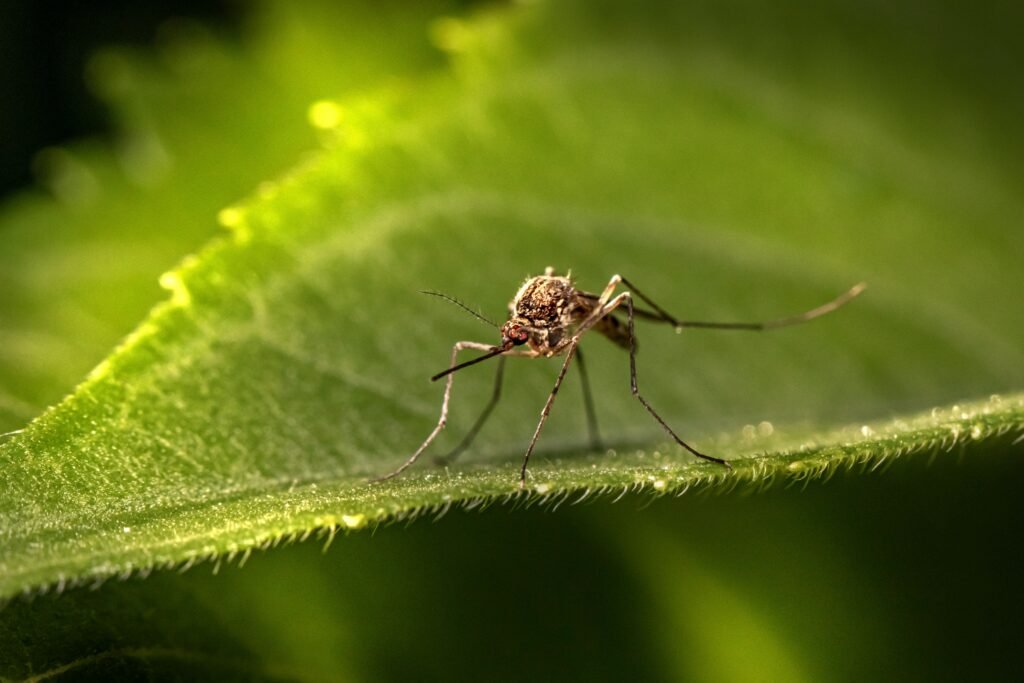
Las Vegas mosquito prevention starts with a close look at where water collects around your home. A yard can appear dry from the patio while a plant saucer, discarded container or folded cover holds enough water to support mosquito development.
Finding those spots requires more than checking for a large puddle. The useful question is where water remains after rain, irrigation or ordinary outdoor activities—and whether the same place keeps refilling.
Why Dry Weather Does Not Eliminate Backyard Mosquitoes
Southern Nevada’s climate does not prevent mosquitoes from finding water in residential areas. The Southern Nevada Health District identifies small containers filled by rain or irrigation as breeding sites for Aedes aegypti, including plant saucers, buckets, toys and bottle caps. This species also bites during daylight hours.
That makes everyday watering habits relevant even when there has been no recent storm. Inspect the places water reaches around your property, including tucked-away corners that are easy to miss during normal yard maintenance.
An inspection after irrigation can reveal a different problem from one performed before the system runs. If you find water, identify what supplied it before deciding how to prevent its return.
Look Beneath Pots and Inside Decorative Planters
Start with plants near outdoor seating and doorways. Lift movable pots carefully to inspect the saucers underneath, and check whether nursery pots sit inside decorative containers that retain drainage water.
The Health District includes potted plant saucers among the household items residents should examine for mosquito breeding.
A planter’s exterior may look dry while water remains between its inner and outer containers. Check the actual drainage arrangement instead of relying on the appearance of the soil.
If excess water repeatedly collects, adjust the setup so it can drain appropriately. Consider whether an unnecessary catch tray can be removed without damaging the surface below. For heavy pots, arrange help rather than attempting to lift them alone.
Follow Irrigation Water After a Watering Cycle
Watch where sprinkler spray and drip irrigation water travel. Look for leaks, overspray entering containers and runoff collecting in low areas beside paths or landscaping.
The Health District specifically recommends checking irrigation sites, drains and rain gutters for standing water.
When you find a persistent wet spot, photograph it and note which watering zone was running. That information can help you or the person maintaining the irrigation system identify the cause.
Removing water once will have limited value if a leaking connection replaces it every day. Address the source and then revisit the location after the next watering cycle.
For a shared courtyard or landscaped apartment entrance, send the location and photographs to management. Leave adjustments to communal irrigation equipment to the people responsible for maintaining it.
Check Stored Items From More Than One Angle
Outdoor storage can conceal water even when everything looks neatly arranged. Examine the inside of unused containers, the folds of covers and the recessed surfaces of toys or recreation equipment.
The Health District’s breeding-source guidance identifies patio furniture, outdoor grills, recreation equipment, garbage cans and recycling containers as items worth inspecting.
Move lightweight objects enough to see what lies behind or beneath them. A lid that keeps water out of a container may still collect water on its own upper surface.
Store useful items so their openings cannot collect rain or sprinkler water. Remove broken objects you no longer need. When using a protective cover, check that its arrangement does not create a basin.
This approach makes storage part of prevention rather than another place to inspect and empty repeatedly.
Inspect Pools, Covers and Decorative Water Features
An unused pool or neglected water feature needs attention beyond the surrounding patio. Southern Nevada health guidance identifies unmaintained pools as potential breeding sources and recommends removing rainwater that accumulates on pool covers.
Inspect the cover separately from the pool beneath it. A covered pool can still have exposed water sitting on top.
For fountains and ornamental features, include hidden collection areas in the maintenance routine. Follow the equipment’s care instructions and arrange repairs when it is not functioning properly.
Children’s wading pools need a different approach: the CDC recommends draining and turning them over when they are not being used. Leaving an empty pool upright allows it to collect water again.
Scrub Containers to Remove Attached Eggs
Pouring out water does not necessarily remove every stage of the mosquito life cycle.
The CDC explains that Aedes mosquitoes lay eggs on container walls above the waterline. Those eggs adhere to the surface and can survive drying for months. That is why a container that appears empty should still be cleaned before it is reused.
The CDC’s home mosquito-control guidance recommends a weekly routine of emptying and scrubbing water-holding items, or turning them over, covering them or discarding them as appropriate.
Work around the interior surfaces rather than giving the container a quick rinse. Keep a suitable cleaning brush with your outdoor maintenance supplies so the task is easy to complete.
Afterward, decide how the item will be stored or maintained. Cleaning addresses what is present; changing the arrangement helps prevent the same container from refilling unnoticed.
Use Larval Treatment Only Where Appropriate
Some water cannot reasonably be emptied or covered. The CDC identifies larvicides as an option for suitable water that cannot be removed and will not be used for drinking. These products require careful use according to their labels.
The Environmental Protection Agency explains that larvicides target immature mosquitoes before they become flying adults. They serve a different purpose from products aimed at adult mosquitoes.
Check whether the label permits the particular application site and follow its dosage and repeat-treatment instructions. Ask the Health District for guidance if you are unsure how to handle a suspected breeding source.
Avoid adding household chemicals or an unrelated insecticide to standing water as an improvised treatment.
Report Problems Beyond Your Own Yard
A mosquito problem may involve a shared landscape, neighboring property or neglected pool that you cannot maintain yourself.
The Health District directs residents to report mosquito activity to its surveillance program at 702-759-1633. Green pools should be reported to the appropriate local code enforcement agency.
Provide a precise location and describe what you observed. Useful details include when the water appeared, whether it persists between watering cycles and when mosquito activity is most noticeable.
Photograph conditions from somewhere you are allowed to be. For an apartment property, include the building number or nearest common-area landmark so maintenance staff can find the issue.
Keep a record of your report and any response. Clear observations are more useful than assuming that a particular neighbor’s property must be the source.
Continue Bite Protection During Cleanup
Removing breeding sites does not instantly remove mosquitoes already flying nearby. Maintain window and door screens and avoid leaving entrances propped open, as recommended by the CDC.
Use an EPA-registered repellent according to its label when needed outdoors. The EPA advises following application and reapplication directions, keeping repellent away from eyes and mouths, and not applying it to children’s hands.
Include another property check after rain, irrigation repairs or changes to outdoor storage. Those events can create a new collection point even after familiar trouble spots have been addressed.
Note: This article provides general prevention information. Follow current Southern Nevada Health District guidance and all pesticide labels. Contact the responsible property manager or public agency about breeding sources you cannot safely access or maintain.