
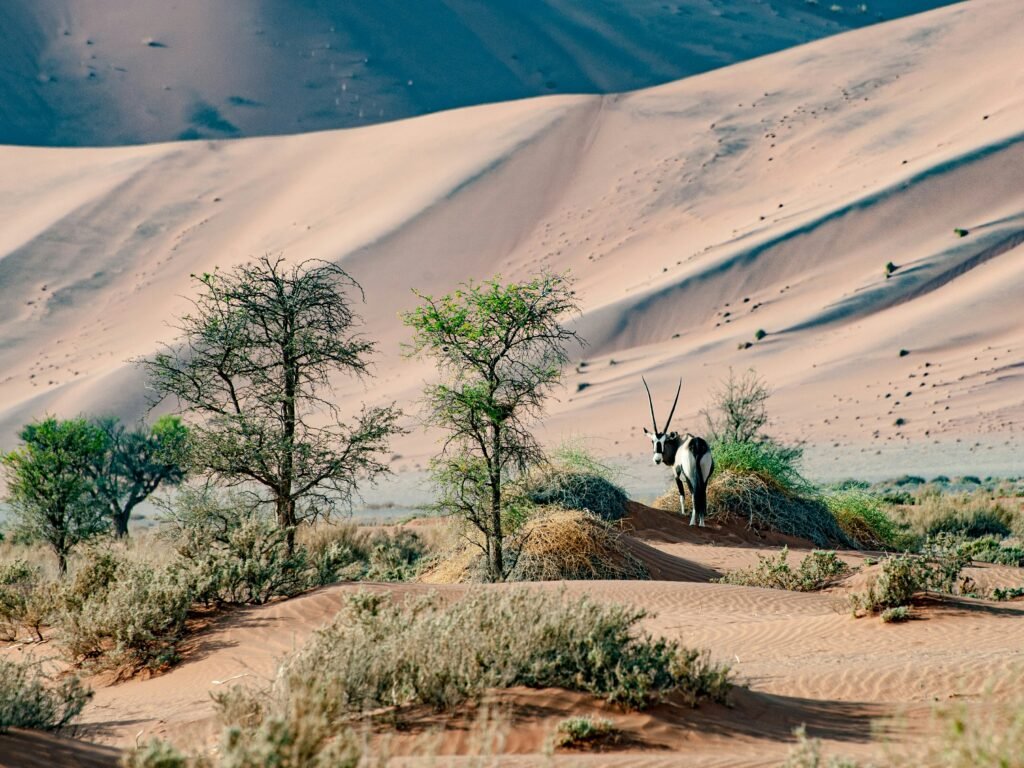
Moving a dog or cat to Nevada requires more preparation than adjusting to a new house. Pets arriving from another climate may be unfamiliar with rattlesnakes, coyotes, scorpions, extreme heat and the open desert found near many Nevada neighborhoods.
Wildlife encounters are not limited to remote trails. Animals can enter residential yards, drainage areas, golf-course communities and neighborhoods bordering undeveloped land.
Pet owners should understand the wildlife found near their new home, inspect outdoor areas and adjust walking routines before allowing an animal to explore without close supervision.
Desert Wildlife: Nevada Wildlife Varies by Location
Nevada contains deserts, mountains, forests, wetlands and high-elevation communities. The wildlife a pet may encounter in Las Vegas or Pahrump differs from what may appear around Reno, Carson City or Elko.
Southern Nevada pet owners may be particularly concerned about rattlesnakes, coyotes, scorpions and intense summer heat. In western and northern Nevada, additional concerns can include bears, foxes, skunks, bobcats and cold-weather exposure.
The risks also vary within the same city. A home near a wash, open desert, mountain foothill or undeveloped lot may experience more wildlife activity than an apartment in a dense urban area.
Before moving, identify the habitat surrounding the exact property rather than relying only on general information about the city.
Inspect the Yard Before Letting a Pet Outside
A fenced yard should not automatically be treated as wildlife-proof. Small animals can enter through openings under gates, damaged fencing, drainage gaps and spaces around utility lines.
Walk through the entire yard before allowing a pet outside. Look for:
- Gaps beneath gates and fences
- Holes near walls
- Dense vegetation
- Wood or rock piles
- Open sheds
- Accessible crawl spaces
- Standing water
- Pet food left outdoors
- Fallen fruit
- Signs of digging
- Areas hidden from view
Check the yard again after storms, landscaping work or nearby construction. Conditions can change, and an opening that did not exist during the original inspection may appear later.
Outdoor spaces should remain visible enough that an owner can see where a pet is walking. Overgrown plants and accumulated materials can provide hiding places for wildlife.
Rattlesnake Awareness Is Important
The Nevada Department of Wildlife identifies rattlesnakes as the venomous snakes in Nevada that can harm people and pets. They may be found around rocky terrain, desert vegetation, trails and properties near natural habitat.
A pet should not be allowed to approach, investigate or chase a snake. Owners should keep a safe distance and avoid trying to capture or kill it.
Do not rely on hearing a rattle. A rattlesnake may remain silent, and the rattle can be damaged or difficult to hear.
When walking near desert habitat:
- Keep dogs on a short, manageable leash
- Stay on established paths
- Avoid allowing pets to investigate holes or rock piles
- Watch the ground ahead
- Use additional caution around vegetation
- Avoid reaching into places that cannot be seen
- Follow posted trail restrictions
If a pet may have been bitten, move away from the snake and contact a veterinarian or emergency veterinary facility immediately. Do not delay care while attempting to identify or photograph the snake.
Coyotes Can Enter Residential Areas
Coyotes can live near both rural and developed communities. They may travel through washes, parks, golf courses, drainage corridors and neighborhood streets.
Small pets can be particularly vulnerable, but larger dogs may also be injured during an encounter.
Pet owners should supervise animals outdoors, especially around dawn, dusk and nighttime. A fenced yard does not replace supervision when coyotes are active in the area.
Reduce attractants by securing:
- Pet food
- Household waste
- Compost
- Fallen fruit
- Birdseed
- Outdoor water sources
- Food used for wildlife feeding
Feeding wildlife can cause animals to associate homes and people with food. This may increase repeated visits and create risks for pets and neighbors.
The Nevada Department of Wildlife’s living-with-wildlife resources provide current guidance for dealing with wildlife around Nevada homes.
Do Not Leave Small Pets Outside Alone
A small dog or cat may be at risk even in a familiar-looking backyard. Coyotes, birds of prey and other animals may enter or pass above residential properties.
Remain close enough to intervene by bringing the pet inside. Do not rely on watching from a distant window, particularly at night.
Outdoor cats may travel beyond the property and encounter wildlife, traffic, poisons or unfamiliar terrain. Keeping cats indoors or providing a properly enclosed outdoor space can reduce these risks.
Pet doors also require consideration. An unrestricted door can allow a pet outside when no one is watching. It may also create an entry point for other animals.
Scorpions and Other Small Desert Animals
Scorpions, spiders and other arthropods may be present around southern Nevada properties. They can hide beneath rocks, landscaping materials, outdoor furniture, boxes and debris.
Before moving belongings into a garage, patio or shed, inspect the area. Avoid leaving shoes, bedding or pet supplies outdoors where animals can enter them.
Sealing gaps around doors and utility openings may reduce indoor entry. Regularly remove clutter from areas where pets spend time.
A pet that suddenly paws at its face, shows unexplained pain or appears to have encountered an unknown animal should be assessed according to veterinary guidance. Owners should not administer human medication unless a veterinarian specifically directs them to do so.
Wildlife Risks Continue Inside the Home
Moving boxes, stored furniture and items kept in garages can provide hiding places for insects and other small animals.
Open and inspect boxes carefully, especially if they were stored outdoors or in a non-climate-controlled facility. Shake out pet bedding and examine carriers before use.
Keep food in sealed containers and clean spilled kibble promptly. Pet food can attract insects and rodents, which may then attract larger predators.
A garage should not be treated as a fully sealed indoor room. Check it regularly for gaps, droppings, nesting material or other signs of animal activity.
Heat Is a Separate Danger
Wildlife preparation should not cause pet owners to overlook Nevada’s climate. Extreme heat can become dangerous much more quickly than many newly arrived pet owners expect.
Pavement, artificial turf, concrete and decorative rock can become too hot for paws. A shaded air temperature does not show how hot a walking surface has become.
During warm weather, adjust exercise to safer times of day. Early morning may be more practical than evening because pavement and walls can retain heat after sunset.
Bring water and keep walks shorter when conditions require it. Watch for unusual panting, weakness, confusion or other signs of distress and seek veterinary assistance when needed.
Never leave a pet in a parked vehicle. Partially opening windows does not make a hot vehicle safe.
Desert Plants Can Also Cause Problems
A pet unfamiliar with desert landscaping may investigate cacti, thorny shrubs, seed heads and other plants.
Spines can enter paws, mouths and coats. Some plants may also be irritating or toxic when chewed.
Inspect the yard for vegetation within the pet’s reach. Remove fallen spines and plant fragments from walking areas using appropriate tools rather than bare hands.
After walks near desert vegetation, examine paws and fur. A pet that is limping, licking repeatedly or showing signs of mouth discomfort may need veterinary attention.
Do not assume that a plant is safe because it is commonly used in local landscaping. Identify plants at the property and ask a veterinarian about those that may present a risk.
Nevada Trails Require New Habits
A dog that previously explored wooded or grassy trails may need closer control on Nevada desert routes.
Open terrain can encourage owners to use longer leashes or allow off-leash movement. However, wildlife, sharp rocks, cacti, mine openings and heat may not be immediately visible.
Before taking a pet onto a trail:
- Check whether animals are allowed
- Review leash requirements
- Check the weather
- Confirm the route’s length
- Carry sufficient water
- Consider surface temperature
- Learn where emergency veterinary care is located
- Watch for posted wildlife warnings
A desert walk should be planned around the pet’s ability rather than the owner’s preferred distance. Conditions may be harder on a pet that has not acclimated to the elevation, dryness or heat.
Northern Nevada Has Different Concerns
Pets moving to Reno, Carson City, Lake Tahoe-area communities or other parts of western Nevada may encounter bears as well as coyotes, snakes and smaller wildlife.
Secure food, waste and other attractants according to local requirements. A dog should not be allowed to chase or corner a wild animal.
Snow and cold also change outdoor routines. Small animals, older pets and pets with certain health conditions may tolerate cold differently.
Wildlife may move closer to developed areas when natural food, water or shelter conditions change. Owners should remain attentive throughout the year rather than assuming wildlife encounters happen only during summer.
Keep Vaccinations Current
Wild mammals can carry diseases that may affect pets and people. Rabies vaccination and other preventive care should be discussed with a veterinarian before or shortly after the move.
Washoe County Regional Animal Services advises owners to keep rabies vaccinations current, supervise pets outside and avoid contact with wildlife.
If a pet is bitten by or comes into contact with a potentially high-risk wild animal, contact a veterinarian and the appropriate local animal-services authority. Washoe County publishes its current animal-bite and quarantine procedures for incidents within its jurisdiction.
Requirements and reporting procedures vary by location. Find the correct animal-control contact for the Nevada city or county where you live.
Find a Veterinarian Before an Emergency
Do not wait for a wildlife encounter to search for veterinary care.
Before moving, identify:
- A regular veterinary clinic
- The nearest emergency facility
- Hours of operation
- After-hours instructions
- The route from home
- Payment requirements
- Whether new patients are being accepted
Transfer vaccination and medical records in advance when possible. Keep copies accessible during the move.
Ask the veterinarian about risks relevant to the exact Nevada community and your pet’s lifestyle. Advice may differ for an indoor cat, a small backyard dog and a dog regularly taken into remote desert areas.
Update Identification and Microchip Information
Moving increases the risk that a pet will become lost. Unfamiliar sounds, open doors, movers and a new environment can cause an animal to escape.
Update collar tags and microchip contact information with the Nevada address and current telephone number. Do this before or immediately after arriving.
Keep a recent photograph of the pet and copies of vaccination records. Learn which local agency handles lost animals.
Washoe County Regional Animal Services provides lost-and-found pet information for Reno, Sparks and surrounding Washoe County communities. Other Nevada locations have their own procedures.
A newly arrived pet should be supervised closely until it becomes familiar with the property and neighborhood.
Check Housing Rules Before Moving
Renters should confirm that every pet is permitted by the lease. Breed, size and number restrictions may apply, along with deposits or monthly charges.
A property described as pet-friendly may still lack a secure yard or safe walking area. Inspect the physical setting rather than relying on the listing description.
Homeowners should review applicable association rules concerning fencing, pet doors, outdoor enclosures and the number of animals permitted.
Ask whether wildlife is commonly seen near the property. The answer should not replace an inspection, but it may help identify additional precautions.
Create a Safer Adjustment Period
Pets need time to learn new smells, sounds, surfaces and routines. Introduce the environment gradually.
Begin with short supervised trips into the yard. Walk familiar routes close to home before exploring longer desert trails.
During the first several weeks:
- Keep pets secured when doors are opened
- Supervise all yard access
- Use a leash on neighborhood walks
- Inspect paws after outdoor activity
- Keep food and water indoors
- Maintain a consistent routine
- Watch for hiding or escape behavior
- Avoid unfamiliar wildlife areas at night
A gradual introduction allows the owner to identify hazards while the pet builds confidence.
Questions to Answer Before Moving With a Pet
Before selecting a Nevada home, pet owners should be able to answer these questions:
- What wildlife is found near the property?
- Does the home border open desert, a wash or undeveloped land?
- Are there gaps beneath the fence or gate?
- Is the yard visible from the house?
- Are the outdoor surfaces safe during hot weather?
- Does the area have shaded walking routes?
- Are local veterinarians accepting new patients?
- Where is the nearest emergency veterinary facility?
- Are vaccinations and microchip records current?
- Does the lease or association restrict pets?
- Who handles wildlife concerns in the city or county?
- Can the pet remain safely supervised outdoors?
Nevada desert wildlife is part of living close to large natural landscapes. Most pet owners can manage the risks by removing attractants, supervising outdoor activity and learning which animals share the surrounding habitat.
The goal is not to prevent a pet from enjoying Nevada. It is to create routines that account for unfamiliar wildlife, extreme temperatures and a landscape that may be very different from the pet’s previous home.
Note: This article provides general information about moving pets to Nevada. Wildlife activity, animal-control procedures and veterinary risks vary by location. Pet owners should consult a veterinarian and follow current guidance from the Nevada Department of Wildlife and the appropriate local authority.