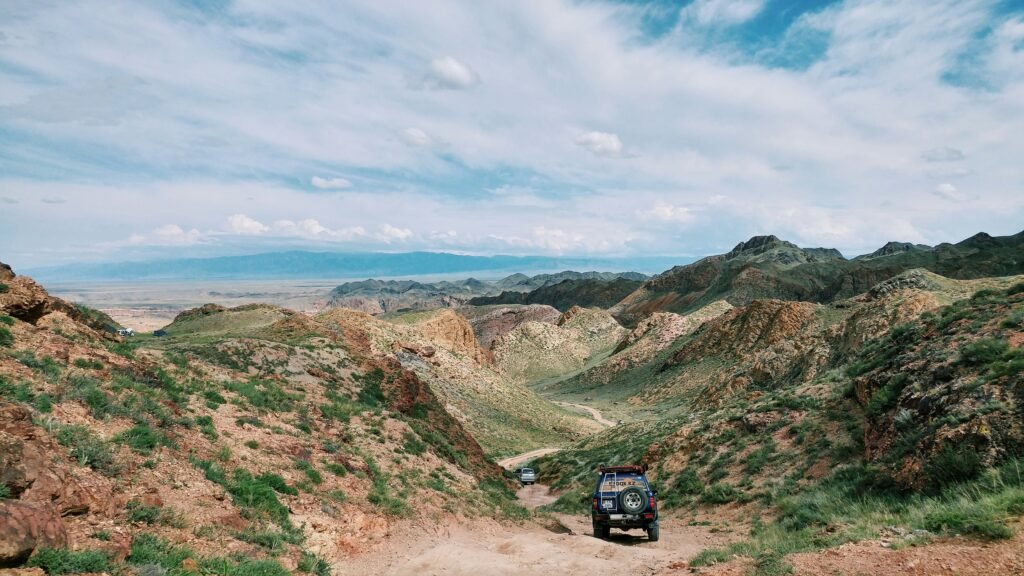
Nevada’s unpaved roads can provide access to remote campsites, hot springs, ghost towns, trailheads and public land. Under dry conditions, some of these routes may appear firm enough for an ordinary vehicle. After rain or melting snow, the same road can become dangerously soft and nearly impossible to cross.
The risk is not always obvious. A road may look dry at the entrance while wetter conditions exist several miles ahead. A surface that feels firm during a cold morning can also soften as temperatures rise.
Drivers who continue into these conditions may become stuck far from paved roads, mobile service and towing assistance. Understanding how Nevada dirt roads respond to water can help travelers recognize when turning around is the safest decision.
Why Nevada Desert Roads Become Difficult After Rain
Many Nevada backcountry roads cross clay-rich soil, dry lakebeds, washes and poorly drained valleys. These surfaces can behave very differently from gravel roads.
Fine desert soil may absorb enough water to become thick and sticky. Mud can fill tire treads, build around the wheel wells and reduce steering control. A vehicle may continue moving briefly before losing traction completely.
Other roads develop deep ruts as vehicles pass over the wet surface. Water may also erode the road from below, leaving soft shoulders or hidden holes.
The Bureau of Land Management’s Nevada recreation guidance warns that many backcountry roads in Nevada can become completely impassable when wet. This can happen even when the road was previously manageable.
A Dry-Looking Surface Can Be Misleading
The top of a dirt road may dry before the soil underneath it. A thin surface crust can make the route look stable even though the ground below remains saturated.
Vehicle weight can break through that crust and expose softer mud. Once the tires begin sinking, additional acceleration may dig them farther into the road.
Previous tire tracks are not proof that current conditions are safe. The tracks may have been created before the rain, by a vehicle with different capabilities or while the ground was frozen.
Travelers should examine the road ahead from firm ground. Dark soil, standing water, deep tracks and mud attached to other vehicles are all reasons to reconsider the trip.
Morning Conditions May Not Last
Temperature changes can transform a Nevada backcountry road over the course of one day.
During a cold night, wet ground may freeze and feel solid in the morning. As sunlight and warmer temperatures reach the surface, the road can thaw into soft mud.
This creates a dangerous situation for travelers who successfully reach a destination early but cannot follow the same route back later. The road did not necessarily deteriorate because of additional rain; it may simply have thawed.
Before relying on a frozen route, consider the expected afternoon temperature and the amount of sunlight the road receives. A route that depends on remaining frozen should not be treated as reliable access.
Playas Require Special Caution
A playa is a dry lakebed that may appear flat, open and easy to cross. Nevada contains numerous playa surfaces, including large areas in and around the Black Rock Desert.
When completely dry, some designated routes across these areas may support vehicle travel. When wet, fine playa soil can become extremely slippery and sticky.
The wet area may be larger than it appears from the edge. Water can also remain below the surface long after visible puddles disappear.
Do not drive around a wet section by creating a new path across undisturbed ground. The surrounding surface may be equally unstable, and off-route driving can cause long-lasting environmental damage.
Travelers should follow current land-management rules and use only routes legally open to motor vehicles.
Four-Wheel Drive Does Not Eliminate the Risk
Four-wheel drive can improve traction in certain conditions, but it cannot make every muddy road passable.
All four tires can lose traction when mud fills the tread. A heavier four-wheel-drive vehicle may also sink more deeply into soft ground than a lighter vehicle.
Ground clearance, tire type, driver experience and road conditions all matter. Even a properly equipped vehicle can become stuck when the underlying surface cannot support its weight.
Four-wheel drive should provide additional capability, not confidence to ignore road closures, weather warnings or visible mud.
Rain Elsewhere Can Affect Your Route
A dirt road can become dangerous even when little or no rain falls directly above it. Stormwater may travel from surrounding mountains and enter washes, low crossings and valley roads.
The National Weather Service explains that flash flooding can develop quickly and may occur in areas where rain is not currently falling. Water can cross or remove sections of an unpaved road before a driver reaches the affected location.
Check the forecast for the complete area surrounding the route, not only the nearest town or destination. Pay attention to higher terrain that drains toward the road.
If thunderstorms are forecast, avoid narrow washes, low crossings and roads that depend on drainage channels for access.
Never Drive Through Floodwater
A muddy road and a flooded road present different risks. Mud can trap a vehicle, while moving water can push it off the road or into a deeper channel.
The depth of floodwater is difficult to judge from inside a vehicle. The road underneath may also have washed away.
Do not drive around a barricade or enter flowing water because another vehicle crossed successfully. Conditions can change rapidly, and vehicles differ in height and weight.
The National Weather Service’s Nevada flood-safety information provides current guidance about the state’s flood hazards. When a road is covered by water, turning around is the safest response.
Check Conditions Before Leaving Pavement
Backcountry conditions may not appear in ordinary navigation applications. A map can show that a road exists without describing its surface, maintenance level or current accessibility.
Before leaving pavement:
- Check the latest weather forecast
- Review official road and land-management alerts
- Contact the agency managing the destination
- Ask locally about recent rainfall
- Identify alternative routes
- Confirm whether roads are seasonally closed
- Determine where mobile coverage ends
- Estimate the distance to fuel and services
- Tell someone where you are going
- Establish a time when someone should expect your return
Conditions reported several days earlier may no longer be accurate. Recent rain, snowmelt, vehicle damage or maintenance work can change a route quickly.
Navigation Applications Can Create False Confidence
A navigation application may select an unpaved road because it appears shorter than the paved alternative. It may not know that the route crosses private property, becomes impassable when wet or requires a high-clearance vehicle.
Downloading an offline map can help with navigation when mobile service disappears, but it does not confirm that a road is safe or legally open.
Compare the route with an official land-management map. Check whether the road is designated for public motorized access and whether any seasonal restrictions apply.
If digital directions conflict with a closure sign, gate or official notice, follow the posted restriction.
Recognize the Signs That It Is Time to Turn Around
Travelers often continue because they have already invested time reaching the area. This can turn a manageable inconvenience into a remote recovery problem.
Turn around while the vehicle remains on firm ground if you encounter:
- Fresh rain on an unpaved route
- Deep or rapidly worsening ruts
- Mud collecting on the tires
- Standing water with an uncertain depth
- A soft or sinking road surface
- Water flowing across the route
- Recent washout damage
- A closed gate or barricade
- Conditions beyond the vehicle’s capability
- No safe place to continue or turn around
Do not wait until forward movement becomes impossible. The safest turning point is usually before the road reaches its worst section.
When turning around, remain on the established road and use a suitably wide, firm location. Avoid damaging vegetation or creating a new route.
Prepare for an Unexpected Delay
Even a planned day trip can become an overnight emergency if a vehicle becomes stuck or disabled. Nevada’s remote areas may be far from fuel, water, shelter and mobile service.
Carry supplies appropriate for the season and distance, including:
- More drinking water than the trip normally requires
- Food that does not require cooking
- Clothing for colder nighttime temperatures
- Sun protection
- A first-aid kit
- A flashlight and spare power
- A paper map
- Essential medication
- Basic vehicle emergency equipment
- A reliable way to communicate where appropriate
The necessary equipment will depend on the route, weather and vehicle. Carrying recovery equipment does not make it safe to enter a road that is visibly impassable.
What to Do If the Vehicle Becomes Stuck
Stop before repeated acceleration buries the tires more deeply or damages the vehicle.
Assess whether the location is stable and whether flooding, lightning, extreme heat or another immediate hazard is present. Do not crawl beneath a vehicle positioned on soft or unstable ground.
If there is no immediate environmental danger, remaining with the vehicle is generally safer than attempting a long walk through unfamiliar desert terrain. A vehicle is easier for rescuers to locate and can provide shade and shelter.
Use available communication to report your location, route, vehicle description and number of occupants. GPS coordinates can be helpful, but they should be accompanied by recognizable route and destination information when possible.
If rising water threatens the vehicle, follow official flood-safety guidance and move toward higher ground when it is safe to do so. Flooding requires a different response from a vehicle that is simply immobilized in mud.
Towing May Be Difficult and Expensive
Ordinary roadside assistance may not cover recovery from a remote unpaved road. A standard tow truck may be unable or unwilling to enter deep mud.
Specialized recovery can involve long travel distances, additional equipment and substantial expense. The vehicle may also have to remain in place until the ground dries enough for safe access.
Before travelling, review what your roadside-assistance or insurance plan actually covers. Do not assume that help will arrive quickly.
Avoid attaching recovery straps to bumpers, suspension parts or other unsuitable points. Improper vehicle recovery can cause severe damage or injury. When safe recovery is beyond the occupants’ knowledge and equipment, professional assistance is the better choice.
Mud Can Damage the Road and Surrounding Land
Driving on wet dirt roads does more than risk the vehicle. Tires can create deep ruts that redirect water and remain after the road dries.
Other drivers may leave the road to avoid those ruts, widening the damaged area and disturbing vegetation. On fragile playa surfaces, vehicle tracks can remain visible for extended periods.
Land-management agencies may temporarily close roads to protect public safety and prevent resource damage. Respecting those closures helps preserve access after conditions improve.
If a road is wet enough that driving will leave deep tracks, postpone the trip.
Recheck Conditions Before the Return Journey
Conditions should be evaluated throughout the trip rather than only at the beginning.
Watch for changing clouds, wind, distant rainfall and water entering normally dry channels. A storm beyond the immediate area may affect the route back.
Temperatures can also rise enough to thaw a previously frozen road. If the ground begins softening, return to firm terrain before the route becomes impassable.
Do not allow a planned schedule, campsite reservation or desire to reach a destination to override visible warning signs.
A Better Nevada Backcountry Plan
Safe dirt-road travel begins with accepting that some trips must be postponed. Nevada’s public lands will still be available after the road dries.
A responsible plan includes:
- Selecting a route suitable for the vehicle
- Checking forecasts and official alerts
- Avoiding wet playa surfaces
- Staying on legally designated roads
- Carrying adequate emergency supplies
- Sharing the itinerary with another person
- Establishing a firm turnaround point
- Rechecking conditions during the trip
- Avoiding flooded crossings
- Turning back before the vehicle loses traction
Nevada dirt roads can change from firm to impassable within hours. Rainfall, hidden moisture and thawing ground can trap even capable vehicles far from assistance.
The safest decision is often made before the tires enter the mud. Checking conditions, recognizing unstable surfaces and being willing to turn around can protect travelers, vehicles and Nevada’s desert landscape.
Note: This article provides general backcountry travel information. Road access, closures, weather and land-use rules can change without notice. Travelers should verify current conditions with the agency responsible for the route and follow all official closures, warnings and emergency instructions.